
Debunking Myths: Common Misconceptions About Artificial Intelligence


The Rise of Artificial Intelligence
Artificial Intelligence (AI) is transforming industries and reshaping the future. Yet, there are numerous myths surrounding this technology that create confusion and fear. In this post, we'll debunk some of these common misconceptions and shed light on the reality of AI.

AI Will Replace All Jobs
A prevalent myth is that AI will lead to mass unemployment by replacing all human jobs. While AI is automating certain tasks, it is also creating new opportunities. The key is adaptation. Industries are evolving, and so are the skill sets required. AI is more about augmentation than replacement, enhancing human capabilities rather than eliminating them.
According to a report by the World Economic Forum, AI could displace 85 million jobs by 2025 but create 97 million new ones. The focus should be on reskilling and upskilling the workforce to thrive in AI-enhanced environments.
AI Is the Same as Human Intelligence
Many people equate AI with human intelligence, but this is a misconception. AI excels at processing vast amounts of data and performing specific tasks but lacks the emotional and social intelligence that humans possess. AI is designed to complement human efforts, not mimic the human mind entirely.
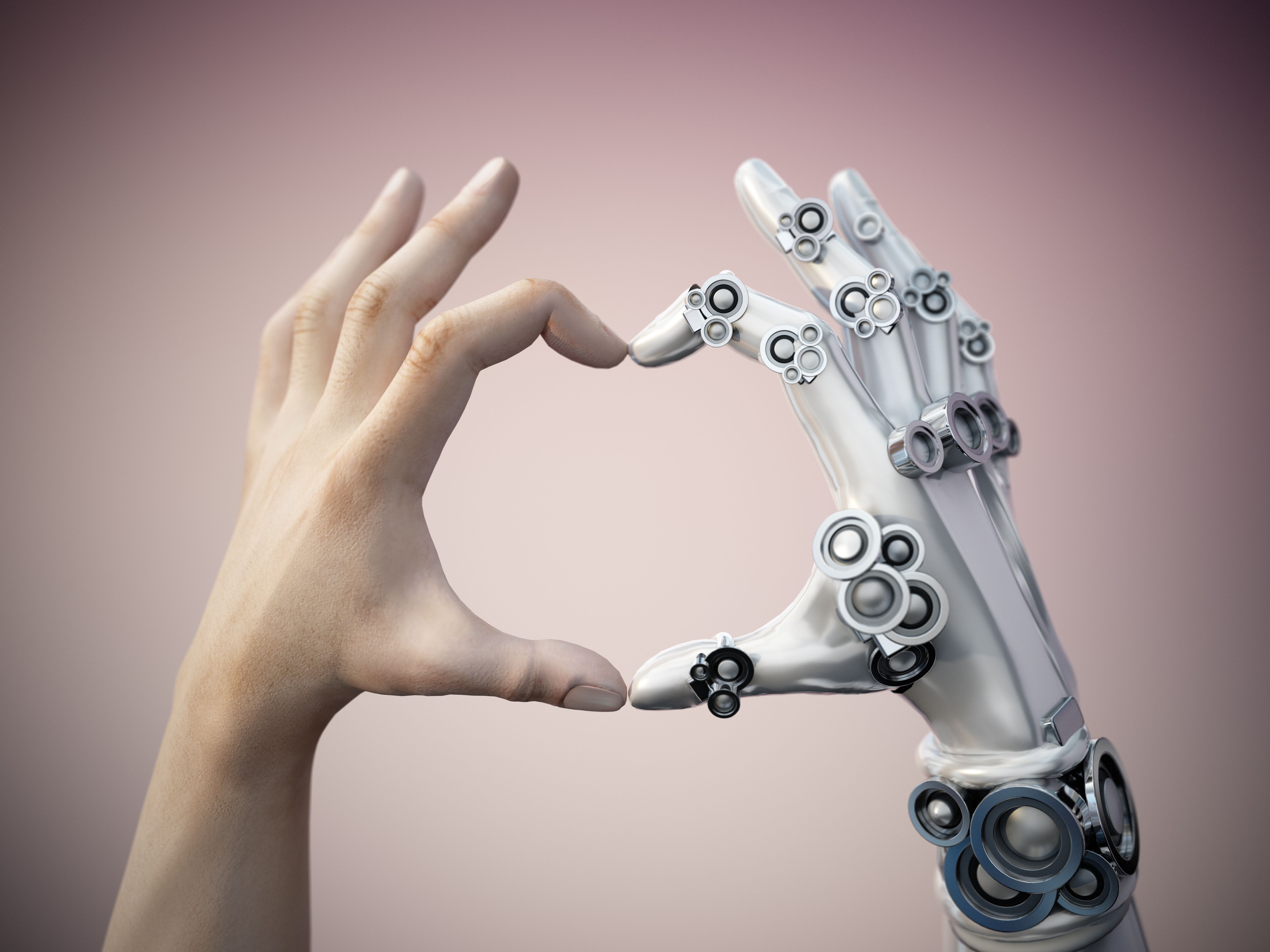
AI systems operate based on algorithms and data, without consciousness or understanding. They can simulate certain aspects of human intelligence, like learning and problem-solving, but they do not possess awareness or emotions.
AI Is Infallible
Another myth is that AI is perfect and free from errors. In reality, AI systems are only as good as the data they are trained on. If the data is biased or flawed, the AI's output can reflect those issues. This is why ethical considerations and rigorous testing are crucial in AI development.
Moreover, AI models require continuous monitoring and updating to ensure accuracy and relevance. Businesses must implement checks and balances to mitigate potential risks associated with AI deployment.
AI Can Work Without Human Intervention
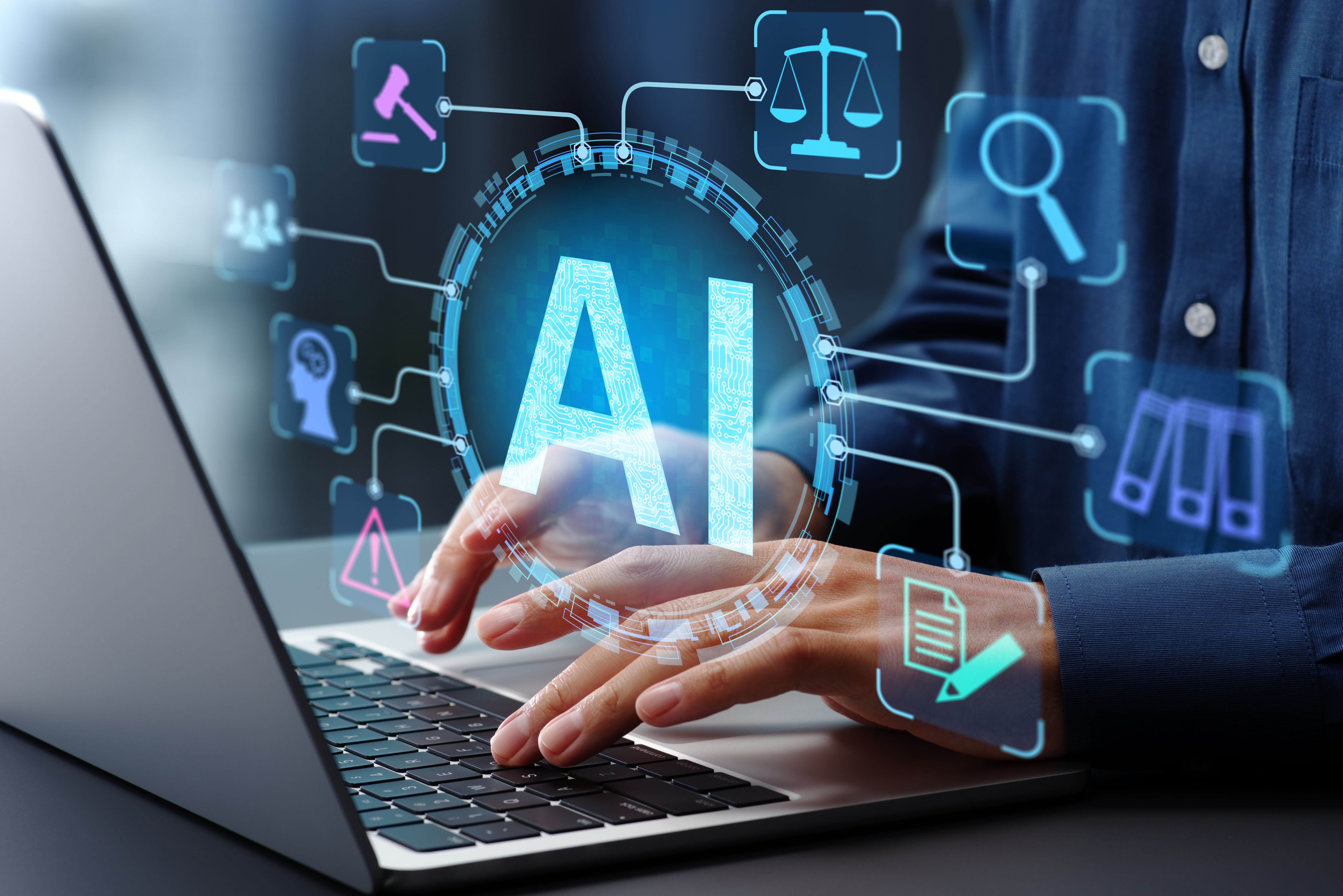
It's a common belief that AI systems can operate autonomously without human oversight. While AI can automate certain processes, human intervention is often necessary to guide, monitor, and maintain these systems. AI should be seen as a tool that supports human decision-making, not as a replacement.
Human oversight ensures that AI systems align with ethical standards and societal values. This collaboration between humans and AI is essential for responsible and effective technology deployment.
Conclusion
Understanding the realities of AI is crucial as it continues to integrate into our daily lives. Debunking these myths helps foster a more informed dialogue about AI's potential and challenges. By embracing AI with an open mind and a willingness to adapt, we can harness its capabilities for the betterment of society.